
Transform Your Sleep Tonight
Discover science-backed strategies to optimize your rest and wake up refreshed. Your journey to better sleep starts here with Menwisdomnotes.

Sleep Science by Numbers
Optimal Hours of Sleep
Adults should aim for 7-9 hours nightly for peak performance
Minute Sleep Cycles
Each sleep cycle lasts approximately 90 minutes of deep restorative rest
Ideal Room Temperature
Cool, dark rooms between 60-67°F promote deeper, quality sleep
Day Sleep Challenge
Most sleep improvements appear within 30 days of consistent habits
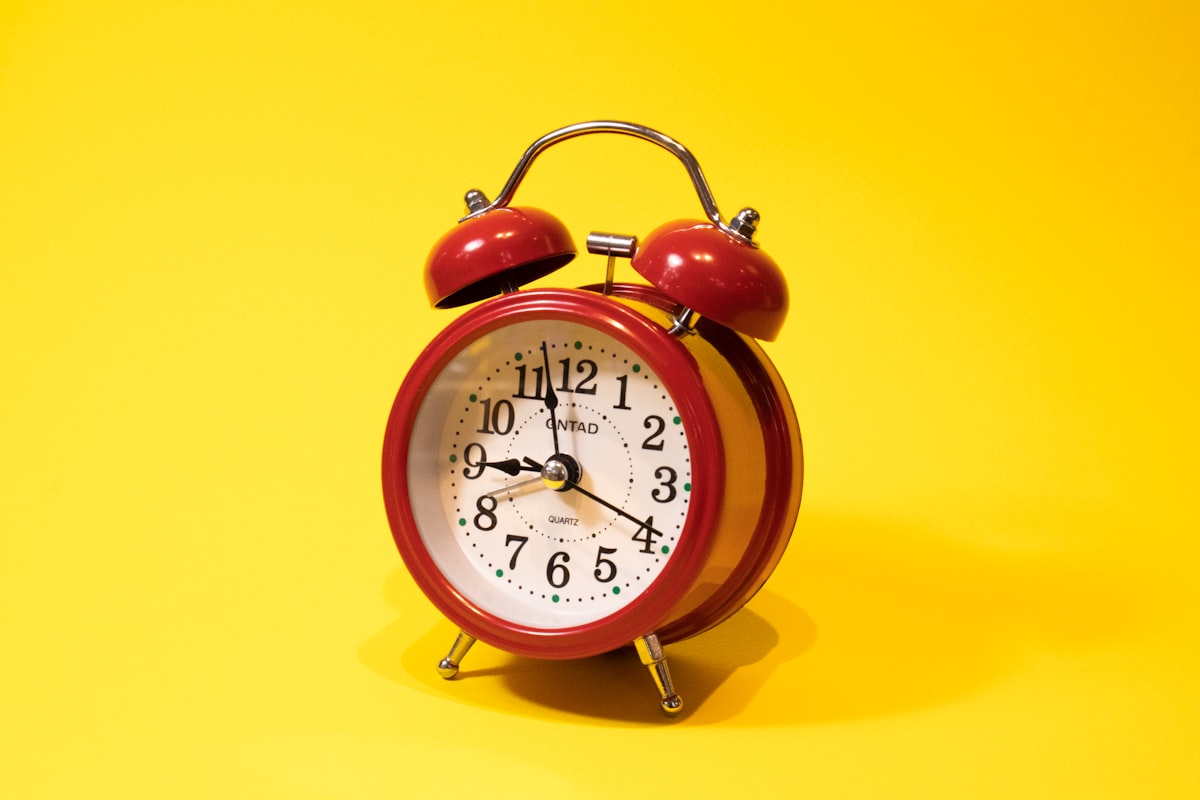
Why Quality Sleep Matters
Sleep is not a luxury—it is a fundamental pillar of wellness. During sleep, your body repairs cells, consolidates memories, and resets your nervous system. Without quality rest, your immune function weakens, mental clarity fades, and emotional resilience diminishes. At Menwisdomnotes, we believe that understanding sleep science empowers you to make better choices for your rest.
Enhanced Cognitive Performance
Quality sleep sharpens focus, accelerates problem-solving, and boosts creative thinking.
Stronger Immune System
Restorative sleep allows your body to produce immune-fighting proteins and antibodies.
Emotional Stability
Sleep regulates mood hormones, reducing stress and promoting emotional well-being.
Our Rest Optimization Methods
Sleep Schedule Optimization
Establish consistent sleep-wake times to synchronize your circadian rhythm with natural light cycles and boost sleep quality.
Environment Design
Create an ideal sleep sanctuary with proper temperature, darkness, and sound control to eliminate disruptions and deepen rest.
Physical Activity Planning
Strategic exercise timing and intensity improve sleep architecture and help you fall asleep faster with deeper REM phases.
Nutrition Guidance
Learn which foods support sleep quality and which to avoid, including timing strategies for optimal rest.
Mindfulness Techniques
Explore relaxation practices like meditation, breathing exercises, and progressive muscle relaxation to calm your mind.
Light Exposure Control
Optimize melatonin production through strategic light exposure in morning and evening hours for natural sleep timing.
Sleep Environment Inspiration
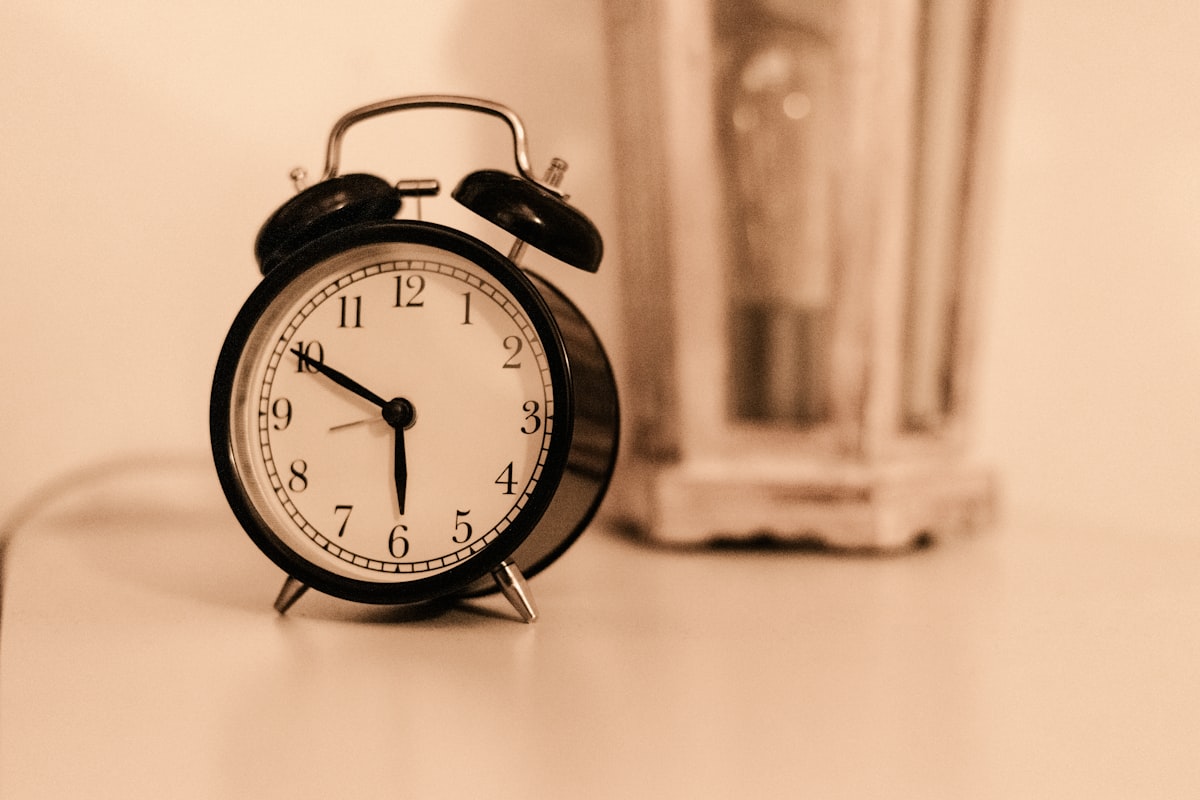
Minimalist Sleep Space
Clean, uncluttered bedrooms reduce mental stimulation and promote deeper rest.
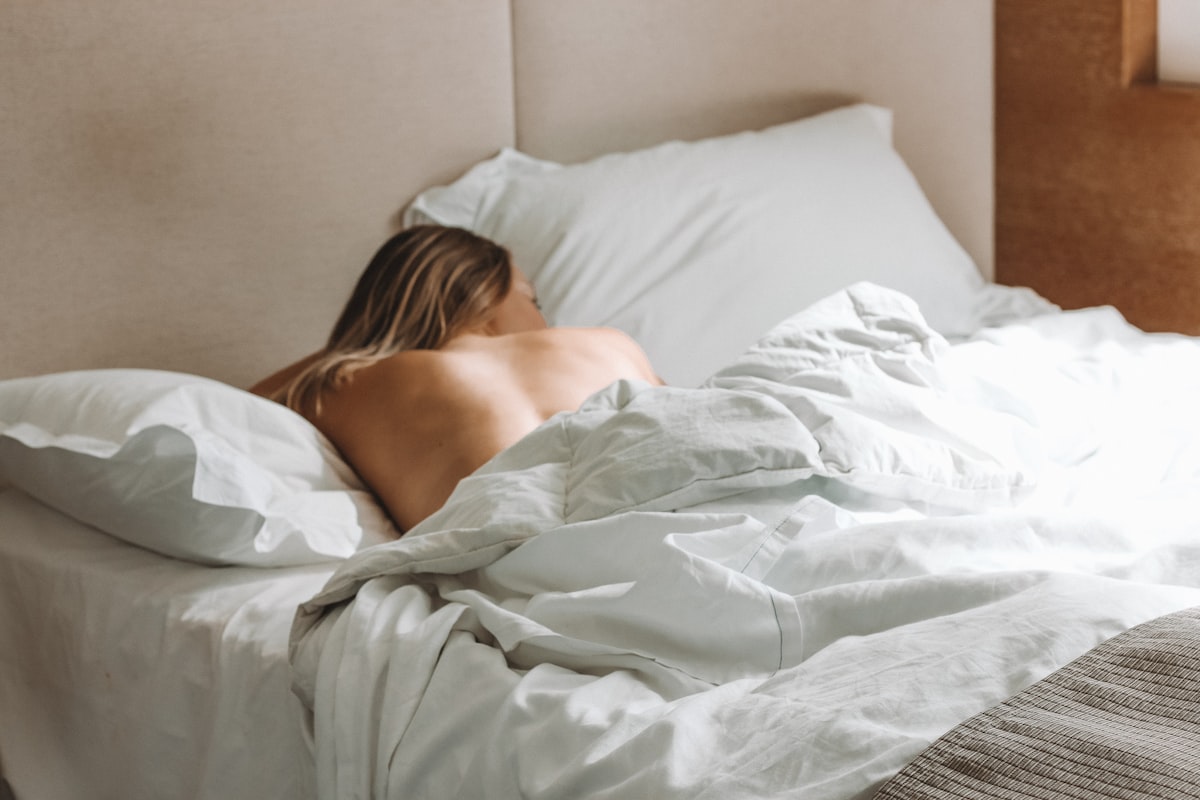
Warm Comfort Zone
Soft textures, quality bedding, and warm lighting create a welcoming sleep sanctuary.
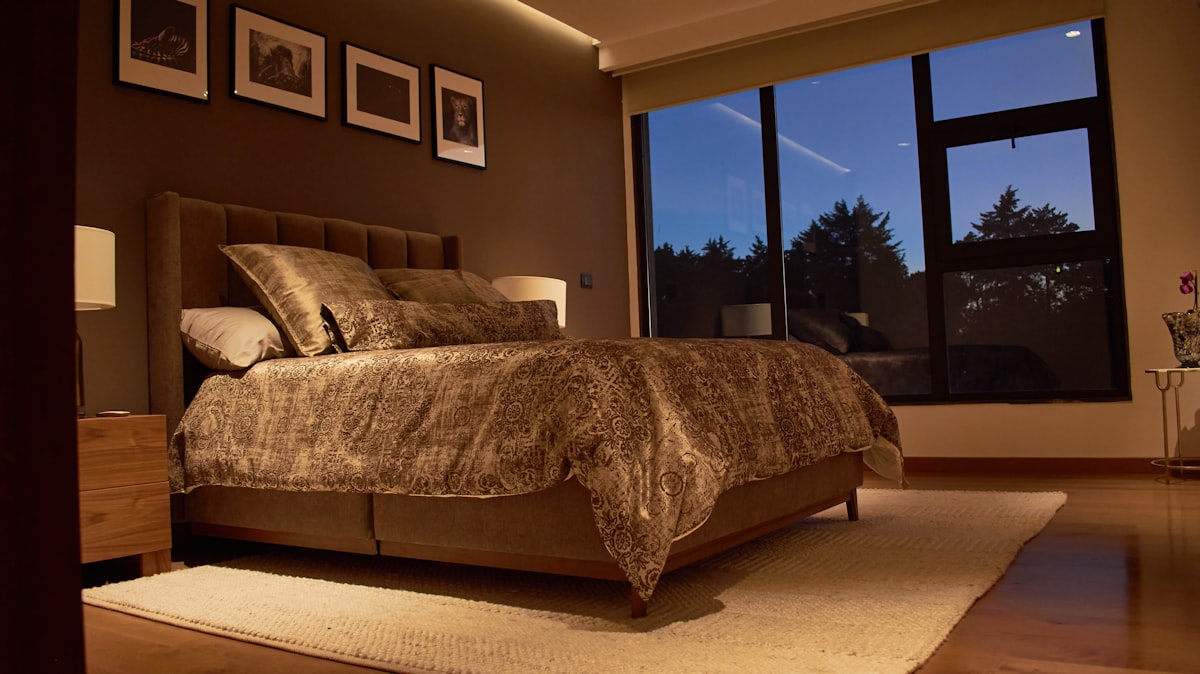
Natural Elements
Incorporating plants and natural materials promotes relaxation and air quality.
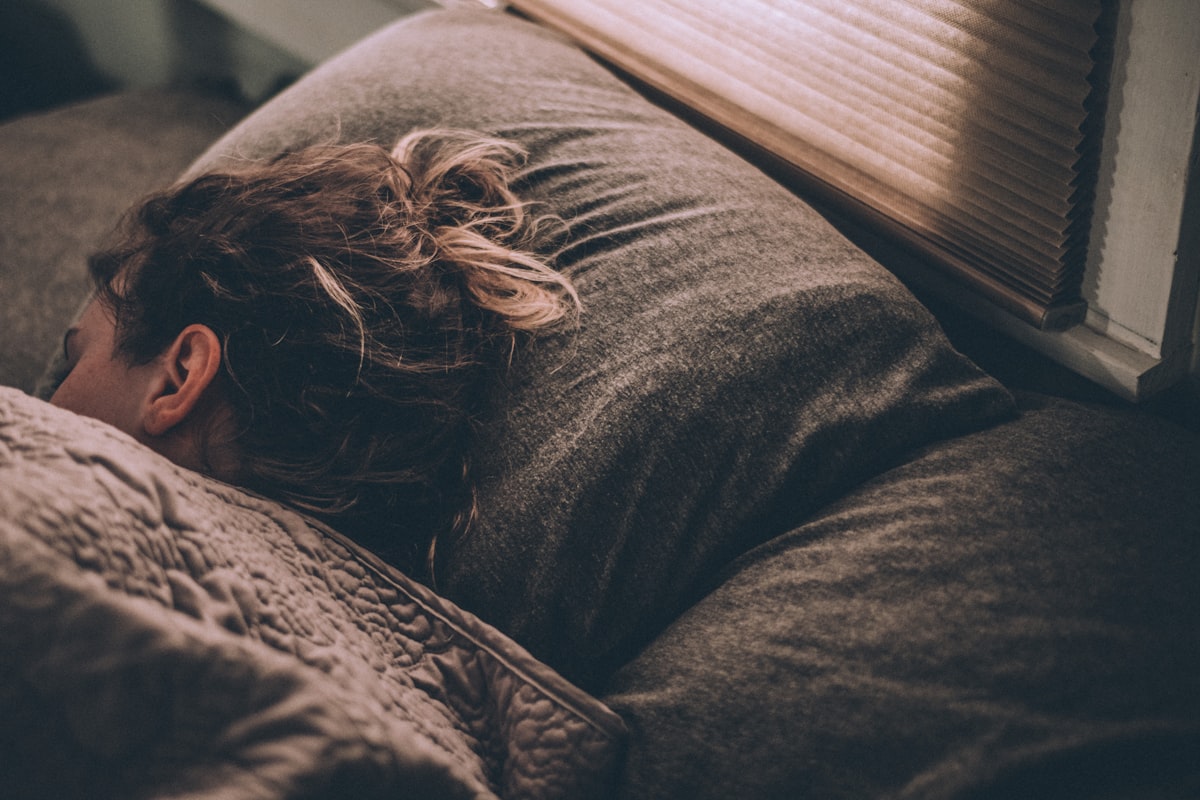
Light Control Systems
Blackout curtains and adjustable lighting help regulate circadian rhythms effectively.
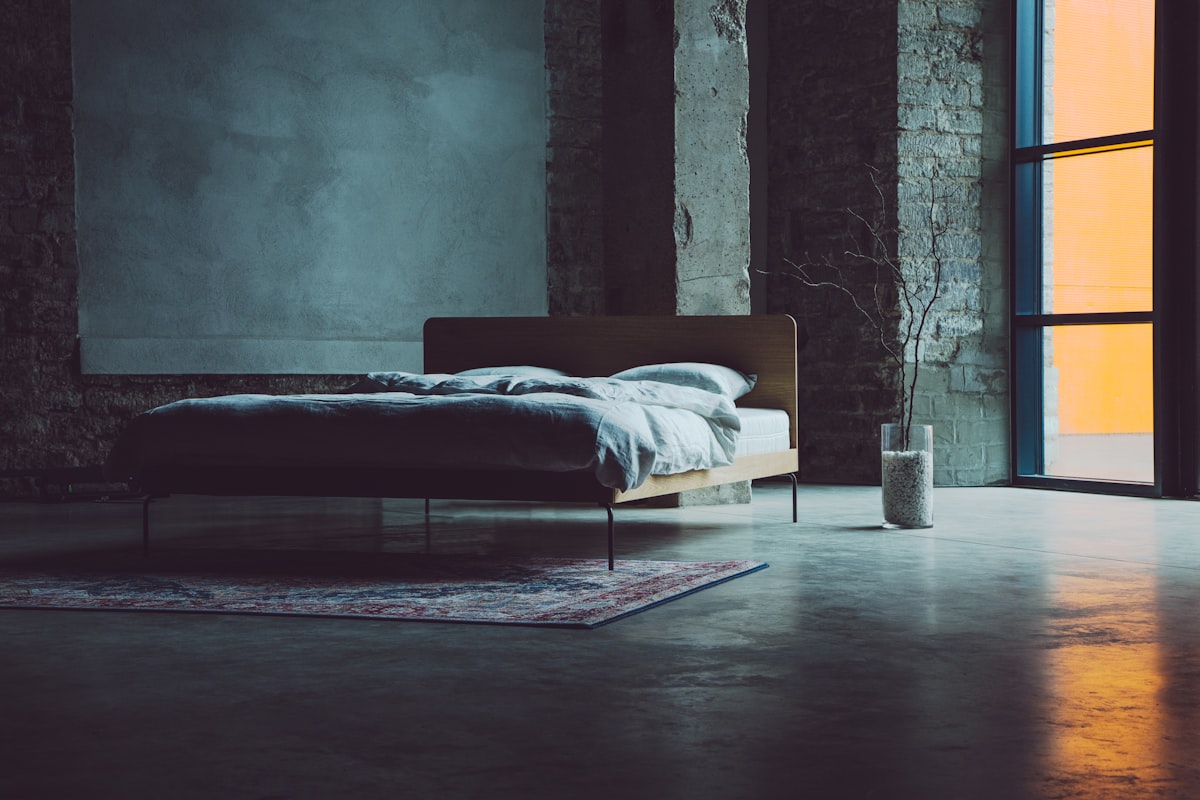
Color Psychology
Cool blues, soft greens, and neutral tones create a calming visual environment.
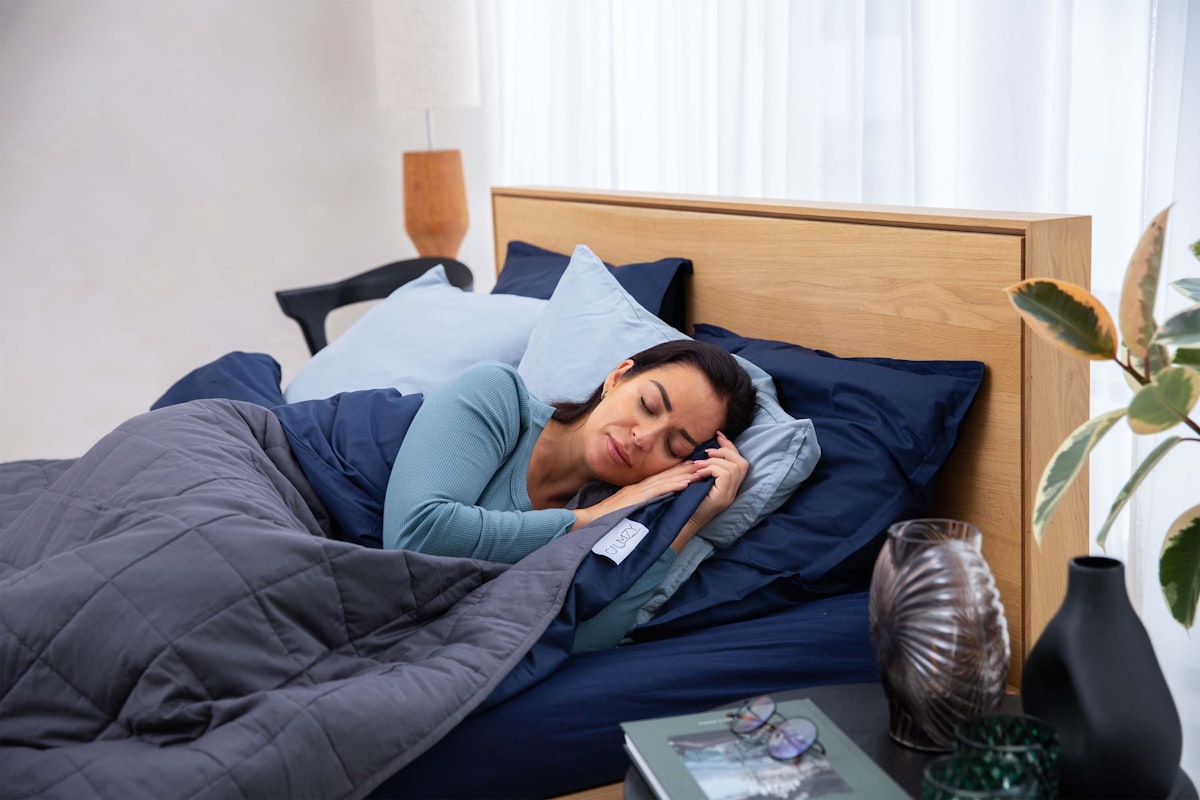
Organized Serenity
Proper storage and organization eliminate visual clutter and mental stress.
Common Sleep Questions Answered
Most adults require 7-9 hours of sleep per night. However, individual needs vary based on age, genetics, activity level, and overall health. The key is consistency—maintaining a regular sleep schedule helps your body regulate sleep patterns. If you feel rested and alert during the day, you are likely getting sufficient sleep. Some people naturally need 6 hours while others need 10, so pay attention to how you feel rather than fixating on a specific number.
Several evidence-based strategies can help you fall asleep faster: maintain a consistent sleep schedule by going to bed and waking at the same time daily; create a dark, cool, quiet bedroom; avoid screens 30-60 minutes before bed; limit caffeine after 2 PM; exercise regularly but not close to bedtime; practice relaxation techniques like deep breathing or progressive muscle relaxation; keep your bed reserved for sleep only; and consider a short wind-down routine. The 4-7-8 breathing technique (inhale for 4 counts, hold for 7, exhale for 8) is particularly effective for many people.
Night awakenings can be caused by several factors: environmental disruptions like noise, light, or temperature changes; stress and anxiety; poor sleep hygiene; consuming caffeine or alcohol close to bedtime; sleep disorders like sleep apnea; or physical discomfort. To minimize awakenings, ensure your bedroom is cool (around 65-68°F), dark, and quiet. Reduce blue light exposure in the evening, manage stress through meditation or journaling, and avoid heavy meals and stimulating activities before bed. If awakenings persist despite lifestyle changes, consulting a healthcare professional may help identify underlying causes.
Yes, regular physical activity significantly improves sleep quality. Exercise reduces stress hormones, increases physical fatigue that promotes sleep, and helps regulate circadian rhythms. However, timing matters—vigorous exercise too close to bedtime can be stimulating and disrupt sleep. Aim to finish intense workouts at least 3-4 hours before bed. Morning or afternoon exercise is ideal, as it exposes you to daylight and helps set your circadian clock. Even moderate activities like walking, cycling, or swimming 30 minutes daily can enhance sleep depth and reduce time to fall asleep.
Foods rich in magnesium, calcium, and tryptophan promote sleep. Good options include almonds, walnuts, and other nuts; leafy greens like spinach and kale; whole grains; turkey and chicken; fatty fish like salmon; cherries and kiwis; and chamomile tea. Avoid caffeine (found in coffee, tea, chocolate, and energy drinks), large meals close to bedtime, and excessive sugar or refined carbohydrates. A light snack 1-2 hours before bed combining complex carbs and protein (like oatmeal with nuts) can help without disrupting sleep. Limit alcohol, as it may initially make you drowsy but reduces sleep quality and causes fragmented rest.
Blue light from phones, tablets, and computers suppresses melatonin production, the hormone that signals your body it's time to sleep. Using screens before bed can delay sleep onset by 30-90 minutes. For better sleep, establish a digital curfew 1-2 hours before bedtime. If you must use devices, enable blue light filters or wear blue light-blocking glasses. Keep phones and screens out of the bedroom entirely—use an alarm clock instead. Consider replacing evening screen time with reading, stretching, or conversation. This simple adjustment can dramatically improve sleep latency and overall sleep quality within days.
Real Stories from Rested Minds
"I struggled with insomnia for years, trying everything without real success. After reading the sleep tips and implementing the environment design strategies from Menwisdomnotes, I finally started sleeping through the night. Within two weeks, I felt like a new person. The advice is practical, evidence-based, and actually works. I recommend their content to everyone who asks about my improved energy levels."
Rinto Sudiarto
Jakarta, Indonesia
"As someone who travels constantly for work, my sleep schedule was completely disrupted. The circadian rhythm guidance helped me maintain consistency across time zones. I love how the editorial team breaks down complex sleep science into actionable steps. My productivity at work has increased dramatically, and I finally feel rested again. Thank you for this incredible resource."
Agus Mulyono
Surabaya, Indonesia
"I was skeptical about online sleep advice, but the comprehensive articles and mindfulness techniques recommended by Menwisdomnotes actually transformed my nights. The breathing exercise section became my nightly ritual, and I'm now falling asleep within 15 minutes instead of an hour. My mood and focus have improved noticeably. This is quality, honest information that truly helps."
Bambang Hardja
Bandung, Indonesia
"As a shift worker, I thought good sleep was impossible for me. The articles about managing sleep around irregular schedules gave me hope and practical solutions. After adjusting my light exposure and nutrition timing, my sleep quality improved significantly even with my challenging work hours. The editorial team clearly understands the real struggles people face. Highly valuable content!"
Dwi Kusuma
Medan, Indonesia
Start Your Sleep Journey Today
Explore our comprehensive articles and practical guides to transform your sleep quality. Subscribe for updates on the latest sleep science research and optimization strategies.
Have questions or feedback about our content? We'd love to hear from you.
Contact Our Editorial Team