
Transform Your Sleep Tonight
Discover the science-backed strategies that help thousands of people across Indonesia reclaim restful, rejuvenating sleep. At Menwisdomnotes, we've distilled decades of sleep research into practical, actionable guidance you can implement immediately.
- Evidence-based rest optimization techniques
- Personalized sleep improvement strategies
- Real-world results from our editorial community
Sleep Science by Numbers
Recommended nightly sleep duration for optimal cognitive function and physical recovery
Average sleep cycle length—understanding this rhythm is key to waking refreshed
Number of complete sleep cycles needed per night for restoration and memory consolidation
Healthy sleep onset latency—the time it should take to fall asleep after lying down
Rest Optimization Pillars
Our comprehensive framework for sleep improvement rests on four scientifically-supported pillars. Master each one to transform your rest quality.
Sleep Environment Mastery
Your bedroom is your sleep laboratory. We guide you through optimizing temperature (16-19°C ideal), darkness (blackout curtains or eye masks), sound dampening, and air quality. A properly engineered sleep space can significantly improve rest quality.
- Temperature regulation techniques
- Light exposure control strategies
- Noise management solutions
Circadian Rhythm Alignment
Your body operates on a 24-hour biological clock. We teach you to harness this natural rhythm through consistent wake times, morning light exposure, and strategic meal timing. Aligned circadian rhythms can improve sleep latency and deep sleep duration dramatically.
- Morning light exposure protocols
- Consistent sleep schedule maintenance
- Meal timing optimization
Wind-Down Protocol
The 60-90 minutes before bed are critical. Our evidence-based wind-down protocols include blue light reduction, relaxation breathing, progressive muscle relaxation, and journaling. A consistent pre-sleep routine signals your body that rest is approaching.
- Screen-free wind-down strategies
- Breathing and relaxation techniques
- Cognitive settling practices
Sleep-Supporting Nutrition
What you eat and drink dramatically affects sleep quality. We detail foods rich in magnesium, tryptophan, and complex carbohydrates that support rest. Learn which beverages to embrace and which to avoid after sunset for undisturbed sleep.
- Sleep-promoting food guide
- Hydration timing strategies
- Caffeine and alcohol impact analysis
Exercise & Movement
Regular physical activity is one of the strongest predictors of sleep quality. We explain the optimal timing for exercise, intensity levels, and how different activities (aerobic, strength, flexibility) contribute to restorative rest and deeper sleep stages.
- Optimal exercise timing guidance
- Activity type recommendations
- Intensity and duration benchmarks
Mental Clarity & Stress
Racing thoughts and anxiety are primary sleep disruptors. Our editorial content covers mindfulness practices, worry management, cognitive reframing, and evidence-based stress reduction techniques that calm the nervous system before bed.
- Mindfulness and meditation guides
- Worry management strategies
- Anxiety reduction techniques
Understanding Your Sleep Cycles
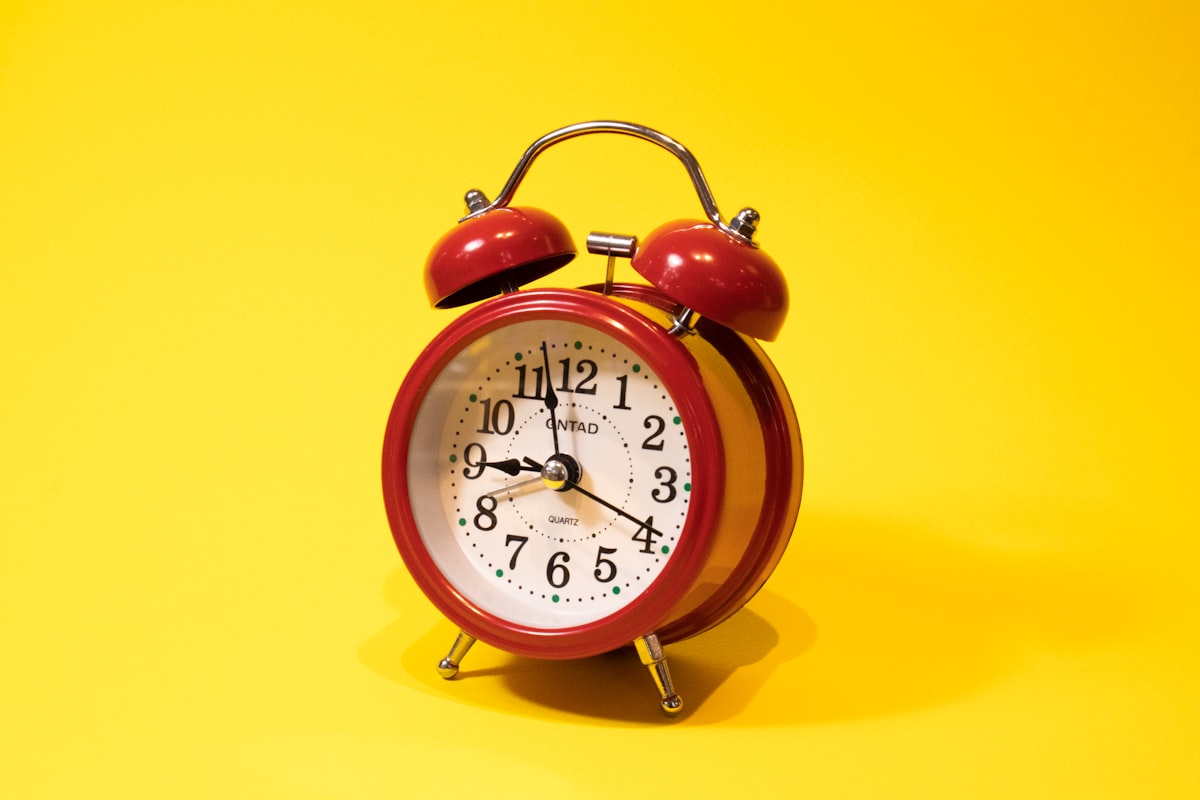
Sleep isn't a uniform state. Each night, you cycle through light sleep (stages 1-2), deep sleep (stage 3), and REM sleep in roughly 90-minute intervals. Understanding this architecture is transformative—it explains why some mornings you feel restored and others you feel groggy despite sleeping 8 hours.
The Four Stages Explained
Stage 1: Light Sleep (Transition)
Your body begins to relax, heart rate slows. This brief stage (1-5 minutes) is your gateway to sleep. Easily awakened.
Stage 2: Light Sleep (Maintenance)
Body temperature drops further, muscles relax completely. Comprises about 50% of total sleep. Memory consolidation begins here.
Stage 3: Deep Sleep (Slow-Wave Sleep)
Most restorative stage. Physical recovery, immune function boost, and growth hormone release occur. Very difficult to awaken. Most abundant in first half of night.
REM Sleep (Dream Stage)
Eyes move rapidly, brain activity spikes. This is where vivid dreaming occurs—critical for emotional processing, learning, and memory consolidation. Increases toward end of night.
Common Sleep Questions Answered
Sleep inertia—grogginess upon waking—often results from waking during deep sleep or heavy sleep stages rather than light sleep or REM. If you wake after 8 hours but feel unrested, you likely woke mid-cycle. Our sleep cycle alignment guide helps you time wake-up during lighter stages (approximately 90, 180, 270, 360 minutes after falling asleep). Additionally, poor sleep quality due to fragmentation, sleep apnea, or circadian misalignment can make quantity irrelevant. Exposure to bright light immediately upon waking also reduces grogginess significantly.
Research consistently shows 16-19°C (60-67°F) as optimal for most people, though individual preference varies. Your body naturally cools by 2-3°C before sleep begins—the bedroom temperature facilitates this critical process. Too warm and you'll experience fragmented sleep and reduced deep sleep duration. Too cold and you may struggle to fall asleep initially. Indonesia's tropical climate requires particular attention: air conditioning, breathable cotton bedding, and potentially moisture-wicking pillows become essential. Test your ideal temperature by adjusting 1°C at a time and tracking your sleep quality notes over a week.
Caffeine has a half-life of 5-6 hours in most people, meaning 50% remains in your system 5-6 hours after consumption. If you drink coffee at noon, roughly 25% of that caffeine persists at 6 PM and 12% at 11 PM. For sensitive individuals, this residual amount significantly delays sleep onset and reduces deep sleep quality. Caffeine blocks adenosine receptors—adenosine builds throughout the day to create sleep pressure. Blocking these receptors delays this natural sleep signal. Our detailed caffeine guide provides cutoff times (2 PM or earlier is safest for 11 PM bedtime), alternative beverages, and sensitivity assessments.
Strategic napping enhances sleep quality, but poorly-timed naps sabotage nighttime rest. A 20-30 minute nap early afternoon (1-3 PM) can boost alertness and memory consolidation without affecting nighttime sleep. This window aligns with your natural post-lunch dip in circadian alertness. Longer naps (60+ minutes) or late afternoon naps (after 4 PM) reduce your sleep pressure (adenosine buildup) by bedtime, making it harder to fall asleep. The siesta tradition common in Mediterranean and some tropical cultures works because naps occur early afternoon and nighttime sleep shifts later. For Indonesians, a post-lunch 20-30 minute power nap is ideal, provided your nighttime schedule accommodates natural circadian timing.
Intense exercise within 2-3 hours of bedtime can increase heart rate, body temperature, and cortisol levels—all stimulating factors that conflict with your wind-down phase. However, moderate exercise like gentle yoga, walking, or tai chi performed 1-2 hours before bed can actually improve sleep by promoting relaxation and body temperature drop afterward. The key: vigorous exercise (running, high-intensity interval training) should occur in morning or afternoon. A consistent exercise routine improves sleep architecture dramatically, but timing matters. We provide specific guidance on which exercise types suit morning versus evening, ensuring you harness activity's sleep benefits without disruption.
Lying in bed frustrated for 20+ minutes worsens wakefulness through a phenomenon called conditioned arousal—your brain learns to associate bed with being awake. Instead: leave bed after 15-20 minutes, dim all lights (use a red nightlight if needed), and do a calming activity in another room (reading, gentle stretching, breathing exercises) until drowsy. Cold water on your face or wrists can lower body temperature and promote sleep. Avoid screens and bright light. Once drowsy, return to bed. This prevents anxiety spiraling and maintains the bed's association with sleep. Our detailed nighttime awakening guide covers root causes (caffeine sensitivity, sleep apnea, anxiety) and personalized strategies. Occasional middle-of-night wakefulness is normal; consistent issues warrant deeper investigation into circadian alignment or environmental factors.
Your 7-Day Sleep Improvement Journey
Start implementing these evidence-based changes immediately. Each day builds on the last, creating a cumulative effect that compounds into dramatically better sleep within a week.
Establish Your Sleep Schedule
Choose your ideal bedtime and wake time (accounting for your 8-hour sleep target plus 15-minute wind-down buffer). Set these times consistently for the entire week—and beyond. Your circadian rhythm thrives on predictability. If you currently sleep irregular hours, pick a schedule slightly earlier than your recent average to encourage natural adenosine buildup. Write these times down and set phone reminders 30 minutes before your wind-down window begins.
Action: Commit to bed and wake times. Set alarm 30 minutes before wind-down. No exceptions this week—consistency resets your clock.
Master Your Sleep Environment
Optimize bedroom conditions: adjust temperature to 16-19°C if possible (use AC or fans strategically), install blackout curtains or use an eye mask to eliminate all light sources, and address noise (white noise machine, earplugs, or identify sources to eliminate). Test mattress and pillow comfort—these are non-negotiable investments. Your bedroom should feel like a dedicated sleep sanctuary, not a multi-purpose space. If your bedroom faces east and receives morning sunlight, that's beneficial for circadian alignment, but darkness during sleep hours is critical.
Action: Audit your room temperature, light, sound, and comfort. Purchase any needed items (blackout curtains, pillows, white noise device). Make adjustments today.
Eliminate Caffeine & Optimize Hydration
Stop caffeine intake after 2 PM. This includes coffee, strong tea, energy drinks, and chocolate with significant cocoa content. Replace afternoon/evening beverages with herbal tea (chamomile, peppermint), water, or decaf options. Hydrate throughout the day but taper water intake 2-3 hours before bed to prevent nighttime bathroom trips. Proper daytime hydration actually improves sleep quality—dehydration disrupts sleep architecture. This single change often produces noticeable sleep improvement by night three.
Action: Set phone alarm for 2 PM "caffeine cutoff." Stock herbal teas. Begin deliberate daytime hydration. Notice improved sleep tonight.
Implement Morning Light Exposure
Get bright light exposure (ideally natural sunlight) within 30 minutes of waking. Expose your eyes to morning light for 15-30 minutes—this resets your circadian clock to 6 AM (or whatever your wake time is) and anchors all subsequent circadian signals. Go outside, open curtains fully, or use a light therapy box (10,000 lux) if natural light is unavailable. This single habit is one of the most powerful circadian reset tools. Expect improved morning alertness, afternoon energy stability, and earlier evening sleepiness within 2-3 days.
Action: Step outside for 15-30 minutes within 1 hour of waking tomorrow morning. Track your wake time and sleepiness for 3 days.
2. Cold Exposure (5–10 minutes daily)
Cold water or cold air exposure activates the parasympathetic nervous system and increases alertness via norepinephrine release. This strengthens circadian rhythm anchoring and improves metabolic resilience. Start with 30-second cold showers or 5 minutes in a cold environment (open window, cold room). Gradually extend to 10 minutes as tolerance builds. Best timing: early morning (enhances circadian entrainment) or post-workout (accelerates recovery).
Action: Add 30 seconds of cold water to your next shower. Breathe deeply and notice the mental clarity that follows.
3. Movement & Exercise (20–40 minutes daily)
Exercise consolidates sleep architecture, reduces cortisol variability, and deepens REM and slow-wave sleep. Strength training, walking, or cardio all work; consistency matters more than intensity. Timing is critical: morning/midday exercise strengthens circadian alignment; evening exercise (within 3 hours of bedtime) can disrupt sleep if too intense. Aim for at least 150 minutes of moderate activity weekly, with 2 strength sessions. Even a 20-minute walk anchors circadian rhythms and improves next-day sleep quality.
Action: Schedule a 20-minute walk or strength session tomorrow at a fixed time. Mark it in your calendar as non-negotiable.
4. Nutrition Timing (Eating Window: 8 AM–6 PM)
Food timing is a powerful circadian synchronizer. Eating within a consistent 8–10 hour window (e.g., 8 AM to 6 PM) aligns your metabolic clock with your sleep–wake cycle. Avoid eating 2–3 hours before bedtime; late meals trigger digestive activity that delays sleep onset and fragments sleep architecture. Protein at breakfast (30g+) stabilizes blood sugar and supports morning alertness. Complex carbs in the evening (2–3 hours before bed) promote serotonin synthesis and ease sleep onset. Hydrate throughout the day; dehydration impairs cognitive function and sleep quality.
Action: Define your eating window (e.g., 8 AM–6 PM) and commit to no food 2–3 hours before bedtime for the next week. Log how your sleep quality changes.
5. Sleep Environment Optimization
Temperature: Keep your bedroom 60–67°F (15–19°C). Cool temperatures signal melatonin release and deepen sleep. Use blackout curtains, eye masks, or dim lighting (blue light < 5 lux) 1–2 hours before bed. Darkness: Artificial light—especially blue light from phones/screens—suppresses melatonin. Use blue-light filters after sunset or wear blue-light blocking glasses. Sound: White noise, earplugs, or ambient sounds mask disruptive noises. Bed Quality: Invest in a comfortable mattress and pillows; sleep surface consistency matters. Test changes for 1 week before evaluating impact.
Action: Audit your bedroom: temperature, darkness, sound, and comfort. Make one change (e.g., blackout curtains, lower temperature by 2°F) this week.
6. Caffeine & Alcohol Management
Caffeine: Caffeine has a half-life of 5–6 hours, meaning a 200mg cup of coffee at 2 PM leaves 100mg in your system at 8 PM. This fragments sleep even if you "fall asleep" easily. Cut off caffeine by 2 PM. If you're sensitive, limit to mornings only (within 1 hour of waking). Alcohol: Alcohol initially sedates but severely disrupts sleep architecture—it suppresses REM sleep, increases nighttime awakenings, and reduces sleep quality by 30–50%. Avoid alcohol 3+ hours before bed. If you drink, limit to 1–2 units and never as a sleep aid.
Action: Log your caffeine intake for 3 days. If you consume caffeine after 2 PM, eliminate it for one week and note sleep quality changes.
Implementation Timeline: Your 30-Day Sleep Mastery Plan
Week 1: Foundation (Light, Cold, Movement)
- Morning light exposure (15–30 min) daily
- 30-second cold shower every morning
- 20-minute walk or strength session (fixed time)
- Define eating window; no food 2–3 hours before bed
- Make one sleep environment change
Week 2: Refinement (Consistency & Optimization)
- Extend cold exposure to 1–2 minutes
- Increase exercise to 30 minutes, 5 days/week
- Cut caffeine after 2 PM; track sleep quality
- Reduce blue light 1–2 hours before bed
- Implement second sleep environment change (e.g., lower room temperature)
Week 3: Deepening (Advanced Practices)
- Maintain all Week 1–2 habits without deviation
- Extend cold exposure to 3–5 minutes
- Add evening relaxation: 10 minutes of meditation or breathwork
- Review and adjust sleep schedule; aim for 7–9 hour consistency
- Measure subjective sleep quality and daytime energy (1–10 scale)
Week 4: Mastery & Sustainability
- All habits now automatic; minimal conscious effort required
- Sleep quality and energy should show marked improvement
- Identify one "wildcard" habit to test: advanced breathwork, magnesium supplementation, or massage
- Plan for long-term sustainability: weekly review checklist, quarterly optimization
- Document results and celebrate progress
Frequently Asked Questions
How long before I see results?
Circadian changes appear within 2–3 days (light exposure alone can shift alertness immediately). Sleep quality improvements typically emerge by Week 2–3. Full circadian entrainment and habit automaticity take 30–60 days. Be patient; the compounding effect of all habits together is far more powerful than any single practice.
What if I work night shifts?
Night shift workers should reverse the light exposure timing: seek bright light at the start of the shift and avoid light at the end. Maintain consistent sleep and wake times even on off days. Use blackout curtains religiously during day-sleep. Melatonin (0.5–3 mg) can help, but circadian misalignment is inherent to night work—prioritize the other five habits (cold, movement, nutrition timing, sleep environment, caffeine management).
Can I skip any habits?
All six habits are synergistic; skipping one reduces overall effectiveness. Light exposure and movement are non-negotiable—they anchor your circadian system. Cold exposure and sleep environment are powerful force multipliers. Nutrition timing and caffeine management directly protect sleep quality. Start with all six; after 30 days, you can adjust based on your response, but maintaining all six yields the best results.
Should I use supplements like melatonin?
Behavioral habits (light, movement, sleep environment) should be your foundation. Melatonin (0.5–3 mg, 30 min before bed) can help acute circadian misalignment (jet lag, shift changes) but is less effective long-term if habits are poor. Magnesium glycinate (200–400 mg) and L-theanine (100–200 mg) support relaxation and may improve sleep without dependency. Prioritize habits first; use supplements to enhance, not replace, them.
What if my sleep doesn't improve after 30 days?
Review adherence: are you truly consistent with all six habits? Common gaps: inconsistent wake times, insufficient morning light, late caffeine, or poor sleep environment. Consider underlying factors: undiagnosed sleep apnea, thyroid dysfunction, or anxiety may require professional evaluation. Consult a sleep specialist or doctor if problems persist. Also: measure sleep quality subjectively (feel rested?) rather than relying on sleep apps, which are often inaccurate.